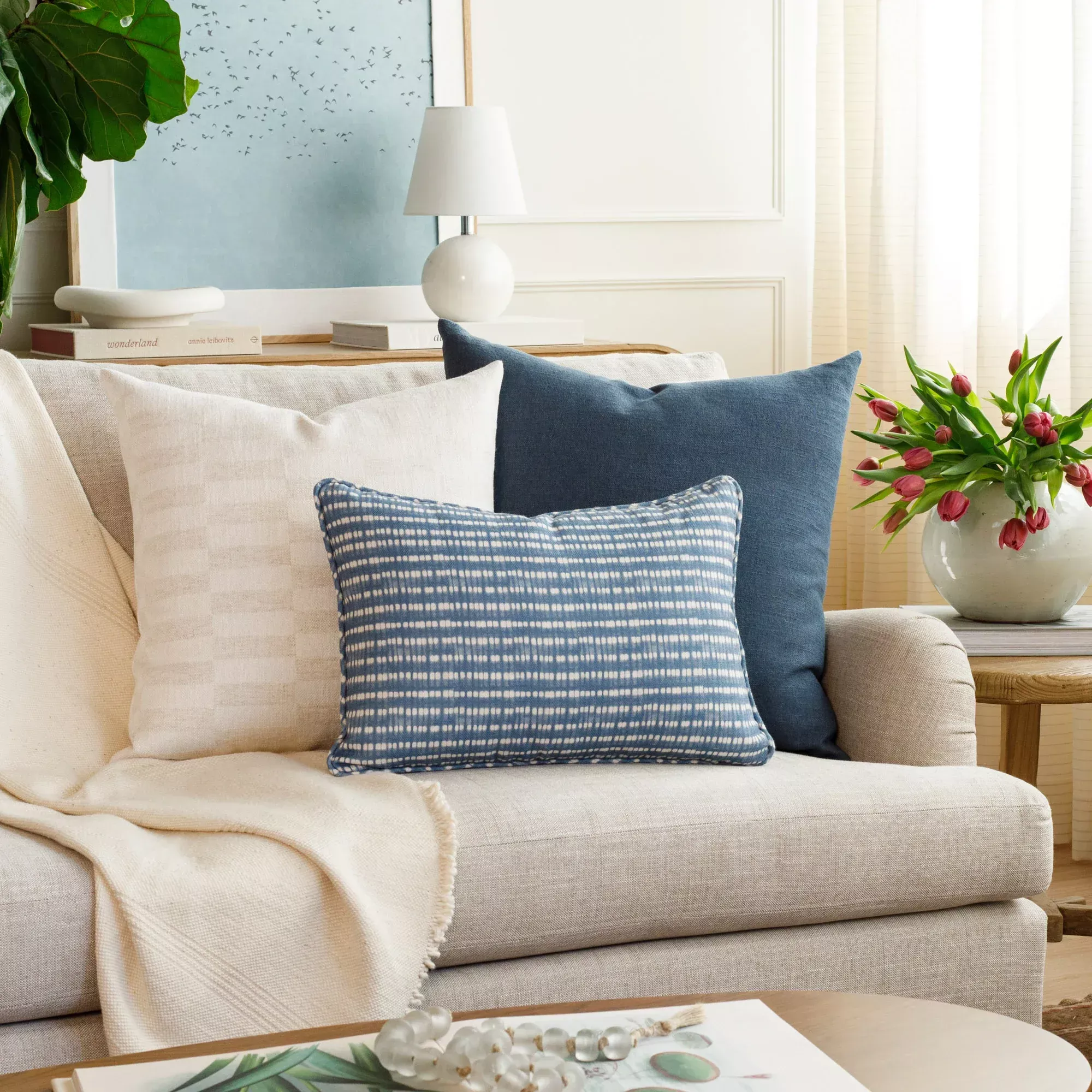
From Awkward to Amazing: 29+ Sectional Living Room Ideas That Work
Disclosure : This post may contain affiliate links or paid partnerships. I may earn compensation if you click a link or make a purchase, at no additional cost to you. See my disclosure for more info.
This is a conversation worth starting.
Your living room has a sectional, decent furniture, and enough space. On paper it should work. In practice, something isn’t landing.
You sense it every time you walk in. Not a specific complaint — just a persistent feeling that the room is underperforming relative to what it should be.
You’ve spent time with gorgeous interiors. Rooms that feel like they were put together by someone who knew exactly what they were doing. Yours feels different.
What’s the actual difference?
Here’s the clear answer. It’s not the sofa model. It’s not your budget. It’s not square footage.
It’s the series of choices made around that sectional — the positioning, the styling, the accessories, the lighting — that creates rooms worth admiring or rooms that just exist.
We’re going through those choices now. All of them.
The First Thing to Understand About Sectional Rooms
Before any specific advice, internalize this.
The sectional is the visual and spatial anchor of your living room. Nothing else comes close to its influence on the room’s overall success.
Rugs, lighting, art, accent furniture — all of it responds to the sofa, not the other way around.
Position and style the sectional with intention, and the rest of the room falls into place.
Do neither, and no amount of beautiful throw pillows will produce the room you’re after.
Arrangement Ideas That Fix What’s Not Working
1. Stop Pushing It Against the Wall
This is the most repeated, most damaging layout mistake in residential interiors. A sectional shoved against a wall produces a room that feels like a waiting area.
Pull it forward by 8 to 12 inches. The room takes on depth and feels genuinely more spacious without any structural changes at all.
2. Use the L-Shape as Your Natural Room Divider
Your L-shaped sofa is already built for zone-creating. Use the longer arm to cleanly separate the seating area from dining, kitchen, or entry zones.
No construction. No partitions. The sectional handles it.
3. Face It Toward the Most Important Element
Fireplace, screen, view — wherever your eye is most drawn is where your sectional should point.
The habitual tendency is to aim seating toward the entrance. Override it. You’re designing for the hours you spend in this room, not the seconds it takes someone to walk in.
4. Tilt It to Break Up a Boxy Room
Square rooms carry inherent visual monotony when furniture sits parallel to walls.
Angle the sectional slightly. Even a gentle rotation introduces movement, personality, and energy that straight placement simply can’t provide.
5. Anchor It in a Corner in Large Open Plans
Open floor plans can swallow furniture and make seating feel unmoored. Pressing the sectional into a corner creates a clearly defined gathering zone.
A round coffee table in front solidifies the arrangement, creating an intimate area within the larger flowing space.
Ideas Specifically for Smaller Living Rooms
6. A Reversible Chaise Is Worth Every Penny
In rooms under 250 square feet, the ability to rearrange is a genuine luxury. A reversible chaise sectional lets you reconfigure based on how you’re using the space at any given time.
Flexibility might be the most valuable feature in a small room.
7. Lose One Arm to Open Up the Room
An armless end on the sectional removes a visual wall that stops the eye. Without it, the room reads as wider and more open than it actually is.
Interior designers apply this principle constantly. Now you’re in on it too.
8. Visible Legs Make the Room Feel Larger
A sectional on raised legs allows the floor to read as continuous beneath it. That unbroken sightline of floor area creates the impression of more space than truly exists.
9. Blend the Sofa Into the Backdrop
A sectional that closely echoes the wall color behind it visually retreats rather than competing for attention. In a small room, less visual competition means more perceived space.
Pale linen sofa against pale linen walls — the room instantly opens up.
10. Trade the Coffee Table for Lighter Alternatives
A traditional coffee table in front of a sectional in a compact room creates a navigation challenge that makes the space feel cramped.
Nesting tables or low-profile C-tables deliver the surfaces you need without stealing the floor space you can’t afford to lose.
Styling Moves That Make Everything Come Together
11. Match the Rug Size to the Sofa’s Footprint
Your rug must be generous enough that every front leg of the sectional lands on it with room to spare.
A small rug under a large sofa is one of the fastest signals that a room hasn’t been thoughtfully considered. It’s also one of the easiest things to fix.
12. Odd Numbers for Throw Pillows, Always
Three or five. Not pairs, not even groupings.
Odd numbers generate visual rhythm. Mix a velvet, a linen, and a patterned pillow in a consistent color story for a sofa that reads as styled rather than decorated.
13. Layer the Chaise With a Textured Throw
The chaise end of the sectional often looks exposed compared to the cushion-rich main section. A chunky knit or woven throw draped there corrects the imbalance and adds warmth, texture, and comfort.
14. Claim the Inner Corner for a Floor Lamp
The inner corner where both sectional sections meet is perfect for an arc lamp or a tall sculptural fixture.
It adds necessary vertical presence, delivers soft layered light, and frames the seating area from above.
15. Tie the Art to the Sofa, Not the Ceiling
Art belongs 6 to 8 inches above the sectional’s back. Full stop.
When art hangs too high, it floats free of the furniture beneath it. The room divides into two disconnected zones instead of reading as one designed composition.
Low and close is how art connects to furniture and unifies the room.
Color and Fabric Combinations That Age Well
16. A Jewel-Toned Sectional Is a Design Statement
Deep forest green, bold sapphire, or rich wine — a sectional in a saturated hue transforms instantly from a piece of furniture into the room’s creative signature.
Simple neutral walls and warm brass accents alongside it, and you have something that reads considered, stylish, and genuinely original.
17. Performance Fabric Is the Smartest Investment You’ll Make
Not the most inspiring recommendation. But the most reliably important one for households that actually use their living rooms.
Performance fabrics like Crypton and Sunbrella look like standard upholstery. The difference is that they’re engineered to survive daily life without showing it.
18. Pale Base Plus Bold Pillows: Modern and Timeless
A light-toned sectional is entirely practical in a lived-in home, especially with performance upholstery beneath and high-contrast statement cushions on top.
Cream sofa plus charcoal and black pillows — clean, graphic, contemporary, and enduringly stylish.
19. Slipcovers Are an Underrated Design Tool
A sectional with removable slipcovers gives you the freedom to refresh the aesthetic seasonally without replacing the sofa. Light and breezy for warmer months. Soft and cozy for cooler ones.
A single purchase delivering multiple aesthetics over time. That’s efficient design thinking.
Configurations Built for Hosting and Everyday Comfort
20. Anchor the Open End With a Chair
One statement chair at the open end of an L-shaped sectional completes the arrangement into a proper U-shaped conversation zone.
Every seat faces inward. The conversation becomes natural and effortless. Everyone is part of the group.
21. An Ottoman at the Open End Beats More Sofa
An ottoman at the open side offers far more versatility than additional sectional footage. Use it as a footrest, a casual extra seat, or — tray on top — an on-demand coffee table.
22. Fill the Gap Behind the Sofa With a Console
A floating sectional that leaves empty space behind it looks unresolved. It signals that the arrangement is unfinished.
A slim console table addresses that gap with purpose. Add lamps and trailing greenery and the back of your sectional becomes a designed feature in its own right.
23. Two Sectional Pieces Facing Each Other
In rooms with adequate floor space, two smaller sectional configurations arranged across a coffee table from each other create a layout that is simultaneously intimate and dramatic — outstanding for entertaining.
The Details That Separate Ordinary From Outstanding
24. Pair a Round Table With the Sectional’s Straight Lines
Sectionals are constructed entirely of right angles and flat planes.
A round or oval coffee table placed in front introduces the contrast that makes the composition feel balanced and complete. Curved and straight working together is one of interior design’s most enduring principles.
25. Bring in a Large Floor Plant
A fiddle-leaf fig or birds-of-paradise stationed at the end of the sectional introduces natural height, organic softness, and living presence to a corner that would otherwise read as just more furniture.
Plants accomplish something in a room that no accessory or lamp can fully replicate.
26. A Picture Ledge Keeps the Wall Current
A picture ledge above the sectional is an invitation to keep the wall constantly evolving. Swap prints, add new finds, layer frames without committing to permanent fixtures.
The space above the sofa stays personal, interesting, and alive.
27. The Chaise Needs Its Own Side Table
Putting a side table at the arm end of the sofa is the obvious choice. Putting one at the chaise end is the overlooked one.
A petite round table at the chaise end means that when you’re actually lying down and reading or watching something, you have a surface within reach — solving a real, everyday frustration most sectional owners have quietly accepted as unavoidable.
28. Build Lighting at Three Heights Minimum
One floor lamp. One table lamp on the console behind the sofa. One pendant or ambient ceiling light above.
Light at three heights creates the depth and warmth that transforms a room after dark. A single overhead source — regardless of how beautiful the fixture is — produces a flat and impersonal result.
Layer the light. Transform the room.
29. A Bench Anchors the Whole Arrangement
In a room with room to spare, a long upholstered bench positioned a short distance in front of the sectional draws a clear boundary around the seating zone.
It provides built-in overflow seating for guests and gives the entire arrangement a sense of deliberateness and completion that floating furniture alone never achieves.
Time to Start
You’ve just gone through a practical, comprehensive guide covering every dimension of sectional living room design — from large layout decisions to the smallest finishing touches that distinguish a room that impresses from one that just functions.
Bookmark this for easy reference.
The next time you’re standing in your living room with that familiar, nagging sense that something isn’t working, you’ll know exactly what to look for and precisely what to do about it.
The distance between the room you have now and the room you want to have isn’t a question of spending more.
It’s a question of choosing better.
You now know exactly how.