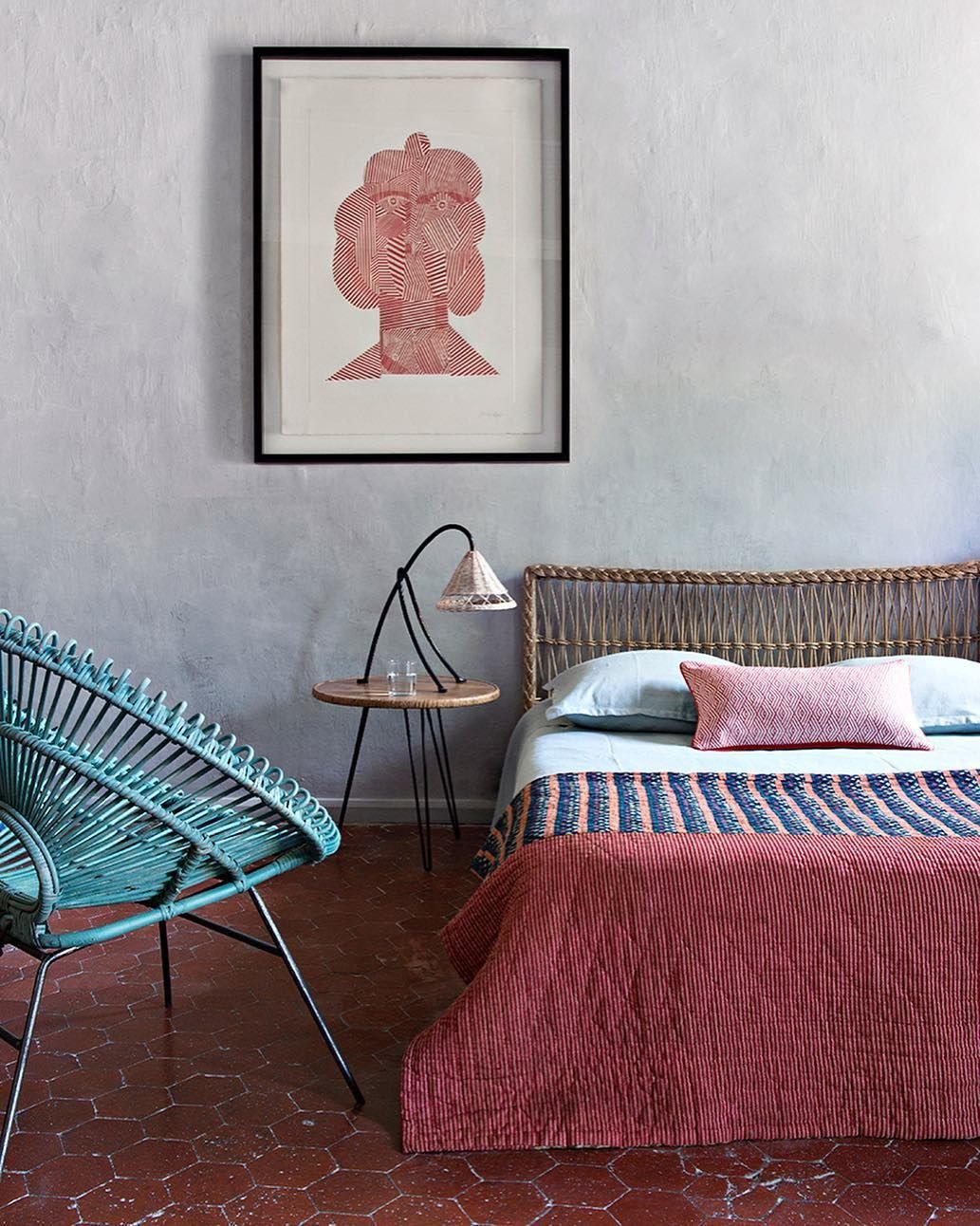
25 Practical Mediterranean Bedroom Ideas for a Genuinely Relaxing Space
Disclosure : This post may contain affiliate links or paid partnerships. I may earn compensation if you click a link or make a purchase, at no additional cost to you. See my disclosure for more info.
Let’s be honest about what most “Mediterranean bedroom” guides miss.
They show you the photographs. Beautiful rooms on cliffs above the Aegean. Freshly renovated farmhouses in Provence. Spaces that cost a small fortune and look impossible to replicate.
And then they leave you staring at your own bedroom, which looks nothing like any of it.
This guide is different. 25 practical Mediterranean bedroom ideas that can be applied in a real bedroom, by a real person, without a renovation budget or a set designer.
Every idea is specific. Every idea is actionable. And every one of them is worth doing.
Get the Base Right First: Walls, Floors, and Structure
The temptation is to start with accessories. Cushions. Art. Candles.
Don’t. Start with the surfaces. The walls and the floor set the context for every other decision. Get them right and decorating becomes easy. Get them wrong and no amount of soft furnishing will compensate.
1. Change the wall color to a warm, matte finish
The single most impactful change you can make to a bedroom is the wall color.
For Mediterranean style, that means moving away from cold or stark white toward ivory, cream, or warm off-white in a flat or matte finish. The warmth and the flatness of the finish together create the quality of a room that has absorbed decades of sunlight.
Limewash paint goes further still — it creates a textured, layered surface that looks genuinely aged. It is increasingly available in DIY-friendly formulas and the effect is transformative.
2. Introduce terracotta or natural stone at floor level
If there is one flooring material synonymous with the Mediterranean, it is terracotta. Warm, earthy, and immediately recognizable.
Peel-and-stick terracotta tiles are a practical solution for renters or anyone unwilling to commit to floor replacement. Over any existing floor, a natural jute or sisal rug adds warmth, natural material, and a sense of depth that hard floors alone cannot provide.
3. Choose an arched headboard or create an arch above the bed
The arch is to Mediterranean architecture what the gable is to Northern European building — a defining structural signature.
An arched upholstered headboard in natural linen or cotton imports that signature into the bedroom without any structural work. It anchors the room’s visual hierarchy and gives the bed wall an identity it would otherwise lack.
Color Without the Common Mistakes
Here is the most useful thing I can tell you about Mediterranean color: it starts with earth, not sea.
Most people reach for blue first and build from there. This is exactly backwards.
4. Build the palette from warm neutral foundations
Sandy beige. Warm taupe. Pale clay. Dried linen.
These are the dominant tones of a real Mediterranean bedroom. They make up the visual majority of the room — walls, bedding, curtains, rugs. Blue is layered on top of this, not underneath it.
5. Use blue sparingly and precisely
A pair of indigo linen pillowcases. A ceramic blue vase on the nightstand. A hand-painted tile on the dresser top.
Two or three blue elements. Not two or three categories of blue elements — two or three individual pieces. The scarcity of blue is exactly what makes it beautiful in this context.
6. Add terracotta and rust for warmth and depth
A terracotta plant pot by the window. A rust-colored throw blanket folded at the foot of the bed. A terracotta-colored cushion cover.
These are the colors of the landscape beneath the Mediterranean sky — sun-baked clay, fired pottery, ancient roof tiles. They give the room warmth and substance that blue accents alone cannot provide.
7. Don’t underestimate the role of green
Olive. Sage. The grey-green of rosemary and dried herbs.
Mediterranean landscapes are intensely green in contrast to the blue of the sea. sage green linen curtains hanging in the window. A potted plant on the sill. Eucalyptus stems in a tall vase. Green brings life into the room in a way that no other color does.
Getting the Textiles Right
Walls and color give a room its visual identity. Textiles give it its physical presence — the way it feels to be in the room, to touch the bed, to wrap yourself in the blanket.
In a Mediterranean bedroom, that physical presence should communicate naturalness and ease.
8. Commit to linen bedding
This is not a stylistic preference. It is the most important single material decision you will make for a Mediterranean bedroom.
Linen is the defining fabric of the Mediterranean. It breathes through summer heat. It softens with every wash. It develops a beautiful, lived-in texture that no synthetic material replicates.
Natural or softly toned linen is the foundation of everything else.
9. Drape a casual throw over the bed
Do not fold it. Do not arrange it. Toss it.
A hand-loomed Turkish cotton throw placed loosely across the end of the bed adds texture and color while sending the right signal: this room is inhabited, not exhibited.
10. Hang curtains that let light through
If your curtains are designed to block out light, they are working against the Mediterranean aesthetic.
Sheer white linen panels hung floor to ceiling and spread wide admit light, catch air, and make the room feel open and connected to the outside. They are, in every practical sense, the defining curtain choice for this style.
11. Cover the floor with a natural-fiber or flat-weave rug
Jute. Sisal. A flat kilim in faded warm tones.
Mediterranean floors are honest. They do not aspire to luxury or cushioning — they aspire to naturalness and texture. A vintage-style kilim rug in traditional patterns and worn colors is the most authentic and impactful choice.
Furniture: Choose Materials, Not Sets
Here is the practical truth about Mediterranean furniture: almost no one buys it as a set.
They find a bed they love. They inherit a nightstand. They pick up a bench at a market. And the room looks better for it — not worse.
12. Get a solid wood bed frame and stop there
The bed is the most important piece of furniture in the room. For Mediterranean style, what matters is honest material: visible grain, warm tone, no lacquer or veneer.
Oak. Walnut. Reclaimed pine. A low-profile platform bed frame with simple lines keeps the focus on the material, not the form.
13. Replace the standard nightstand with rattan
This one change — swapping a painted or lacquered nightstand for a rattan side table — delivers a disproportionate change in the room’s character.
Rattan is warm, coastal, and natural. A rounded rattan table or a woven stool used as a nightstand is one of the most efficient investments on this list.
14. Add a rustic wooden bench at the end of the bed
Weathered. Worn. Old enough to have a past.
This is the piece that makes a room look like it has been lived in rather than purchased. It adds history and character in a way that nothing new can replicate.
15. Accept and embrace mismatched furniture
Your two nightstands do not need to match. Your dresser does not need to coordinate with your bed frame.
Mediterranean rooms are assembled over time, and that shows in the variety of their furniture. The variety is not a design failure. It is the design.
Accessories: Fewer, Better, More Intentional
This is where a room either succeeds or becomes cluttered.
Mediterranean decorating is not maximalist. It rewards precision and restraint. Every object earns its place or it goes.
16. Hang one round organic mirror as the wall’s focal point
A round mirror — rattan or driftwood or carved wood — adds warmth, reflects light, and gives the wall a reason to be looked at.
It also displaces the generic rectangular mirror that exists in most bedrooms not by choice, but by inertia.
17. Place two or three handmade ceramic objects
A thrown vase. A small pottery bowl. A rough-glazed candle holder.
The imperfections in handmade ceramics — the uneven rim, the variation in color — are not flaws. They are the evidence of craft that distinguishes authentic Mediterranean style from its imitations.
18. Keep the gallery wall to a maximum of three pieces
A botanical print. A faded coastal photograph. A simple abstract in earth tones.
Two or three pieces, framed simply, spaced generously. The empty wall around them is part of the composition.
19. Bring fresh and dried botanicals into the room
Lavender. Rosemary. Olive branches. Dried citrus.
These do two things at once: they look right, and they smell right. A room that smells of herbs and warm wood is a room that feels Mediterranean even before you open your eyes.
20. Add one or two wrought iron or brass details
A wrought iron curtain rod above the window. Brass drawer pulls on a drawer. An antique brass table lamp on the nightstand.
These metals carry age and craft and old-world warmth. One or two pieces is the correct dose.
Lighting: The Single Most Underrated Element
Most people think about lighting last. In a Mediterranean bedroom, it should be considered early, because it affects every other decision.
The goal is not illumination. The goal is atmosphere.
21. Use bedside lamps and wall sconces instead of overhead lighting
Switch off the ceiling light. Replace it in practice — for evening and nighttime use — with two bedside lamps and a wall sconce.
Choose lamps with ceramic, linen, or rattan elements and warm-toned bulbs. The quality of light they produce is categorically different from overhead lighting — warmer, softer, and more directional.
22. Build candles into the room’s daily rhythm
A pillar candle in a terracotta dish. A beeswax taper in a brass holder.
Light a candle when you get into bed. Let it burn for twenty minutes.
Nothing else creates Mediterranean atmosphere at that speed. No lamp, no dimmer, no smart bulb. The ritual itself is part of the design.
23. Treat natural daylight as an active design element
Open the curtains as wide as they will go in the morning. Sheers handle privacy without sacrificing the light that defines the room’s warmth.
Mediterranean rooms live in natural light. The more you let in, the more the room becomes itself.
The Last Two: The Details Most People Skip
These final two ideas are the ones that make the difference between a room that looks Mediterranean and a room that feels Mediterranean.
24. Create an intentional scent environment
A diffuser with lavender and citrus. A linen spray on the pillows before bed. A small dish of dried herbs on the dresser.
Scent is the most direct path to emotional experience that any room can offer. The Mediterranean smells like something — salt, citrus, and warm herbs. Bringing those notes into the bedroom changes how you feel in it immediately and instinctively.
25. Edit the nightstand down to its most essential contents
Lamp. Book. One small beautiful object. Water glass.
That is the complete list.
Everything else gets removed. Not temporarily — permanently. A clear nightstand signals intentionality. It communicates that what is in this room is here because it belongs here — and that discipline, maintained consistently, is what keeps a Mediterranean bedroom feeling like a retreat rather than just a bedroom.
The Room Is Built One Good Decision at a Time
Twenty-five ideas. You do not need to implement all of them at once.
Pick three. The ones that resonate most immediately with the room you want to create.
The linen bedding. The limewash walls. The warm lamps. Or the rattan nightstand, the arched headboard, and the dried lavender. Whatever combination feels right — start there.
Do those three things well. Then come back and choose three more.
The Mediterranean bedroom you have been imagining is not a single renovation away. It is three good decisions away. And then three more.
Start now.
🔍 Focus Keyphrase: Mediterranean bedroom ideas
📌 SEO Title (< 60 chars): 25 Mediterranean Bedroom Ideas for a Coastal Escape
🔗 Slug (< 60 chars): mediterranean-bedroom-ideas
📝 Meta Description (< 155 chars): Discover 25 stunning Mediterranean bedroom ideas to create a warm, coastal retreat. Start transforming your space today with these actionable tips.